


Tokyo is contradiction made beautiful — a city where century-old temples share a skyline with neon-lit skyscrapers, and where the world’s finest sushi can be found at a basement counter with six seats. Japan’s capital rewards every kind of traveller: the obsessive foodie, the design pilgrim, the nature seeker, the night owl. Here’s everything you need to know before you go.
Capital
Tokyo
Currency
Japanese Yen (¥)
Language
Japanese
Timezone
JST — UTC+9
Best Season
Mar–May, Oct–Nov
Visa
90 days visa-free (Canadian passport)
Tokyo for Every Travel Style
The Foodie’s Tokyo
Tokyo has more Michelin stars than any city on earth — and its most memorable meals are often served standing up, for under ¥1,000.
- Pre-dawn tuna auction at Toyosu Market (book months ahead).
- Standing sushi counter breakfast at Tsukiji Outer Market.
- Ramen research: Fuunji (tsukemen), Ichiran (solo booths), Ivan Ramen.
- A kaiseki dinner at Quintessence or Ryugin — once-in-a-decade food.
- Depachika (department store basement food halls) at Isetan Shinjuku.
The Culture Lover’s Tokyo
1,300 years of history runs underneath the neon — temples, kabuki stages, and museums anchor the city’s modernity in something ancient.
- Senso-ji temple at dawn, before the tour groups arrive.
- Tokyo National Museum in Ueno — the finest collection of Japanese art anywhere.
- A traditional ryokan night in nearby Nikko or Hakone.
- Noh or Kabuki performance at the National Theatre (English audio guides available).
- The Edo-Tokyo Museum for the full arc of the city’s transformation.
Tokyo After Dark
Tokyo runs on a different clock — bars that open at midnight, jazz until 4am, and a nightlife culture where the best conversations happen at tiny counters with five seats.
- Golden Gai in Shinjuku — 200+ tiny bars, each seating five people.
- Shibuya Crossing and Nonbei Yokocho after 11pm.
- Jazz at JBS or Shinjuku Pit Inn — Tokyo’s jazz scene is world-class.
- Late-night ramen at 3am at Fuunji or Menya Musashi.
- Robot Restaurant: absurd, loud, and unmissable once.
When to Go
Spring
Mar – May
- Cherry blossom peaks late March to early April — book 6 months ahead.
- Warm days, mild evenings; perfect walking weather.
- Hanami picnics in Shinjuku Gyoen and Yoyogi Park.
- Crowds are high but the city is at its most beautiful.
Summer
Jun – Aug
- Hot (30–35°C) and humid — stay hydrated and take breaks indoors.
- Typhoon risk peaks in August; travel insurance is advisable.
- Summer matsuri (festivals) and fireworks every weekend.
- Fewer foreign tourists than spring; some deals on accommodation.
Autumn
Sep – Nov
- Arguably the best season — crisp air and vivid foliage from late October.
- October is the most popular month; book accommodation early.
- Golden ginkgo avenues in Meiji Jingu Gaien (mid-November).
- Ideal temperatures for walking, hiking, and long outdoor days.
Winter
Dec – Feb
- Cold (2–10°C) but rarely icy in the city centre.
- Fewest tourists of the year — better hotel rates and shorter queues.
- Winter illuminations are spectacular throughout December.
- Mt. Fuji views are clearest in winter — day trip to Hakone is excellent.
Top Experiences
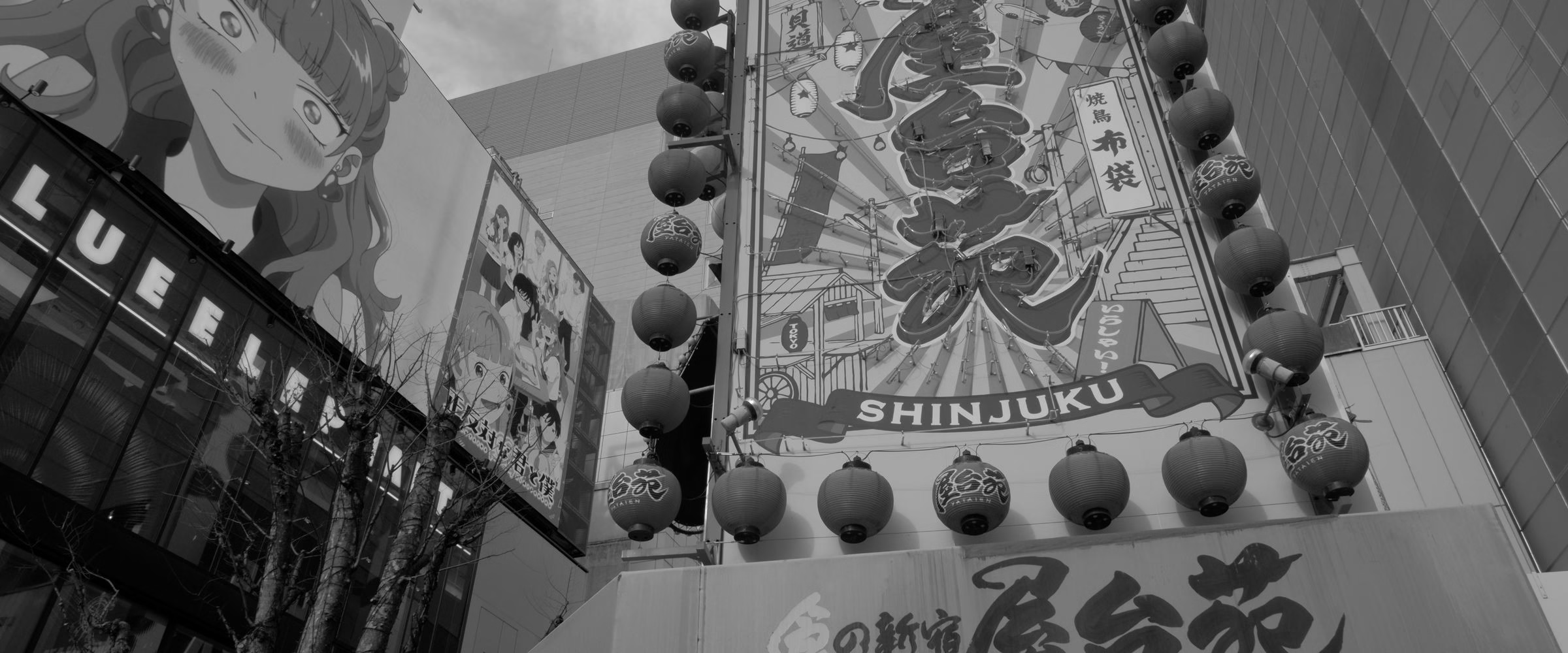
Shinjuku & the Golden Gai
Why Go?
Tokyo’s most kinetic neighbourhood — home to Kabukicho’s neon sprawl, the tranquil Shinjuku Gyoen garden, and the legendary Golden Gai: a warren of impossibly small bars seating five people each, where you’ll drink with journalists, chefs, and insomniacs until 4am.
Best For
Night owls, solo drinkers, and anyone who wants to feel the full voltage of the city.
Don’t Miss
A drink at a Golden Gai bar chosen entirely at random — the best ones have no English signage.
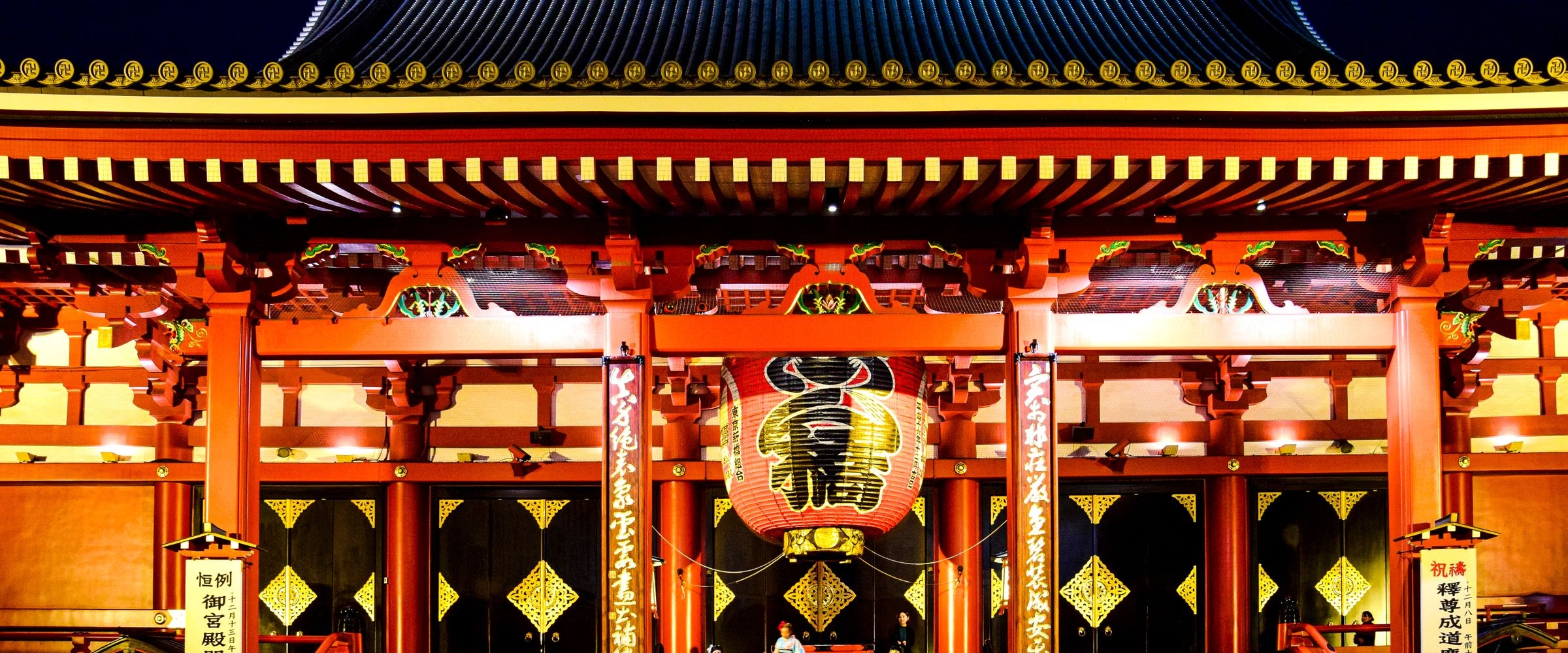
Asakusa & Senso-ji Temple
Why Go?
Tokyo’s oldest neighbourhood and its most atmospheric — a Buddhist temple complex that has drawn pilgrims since the 7th century, surrounded by rickshaw pullers, traditional craft shops, and the best ningyo-yaki (sweet bean cakes) in the city.
Best For
History lovers, early risers, and families looking for a contrast to the modern city.
Don’t Miss
Arriving at Senso-ji at dawn before the tour groups appear — the incense smoke and quiet lantern light are worth the early alarm.
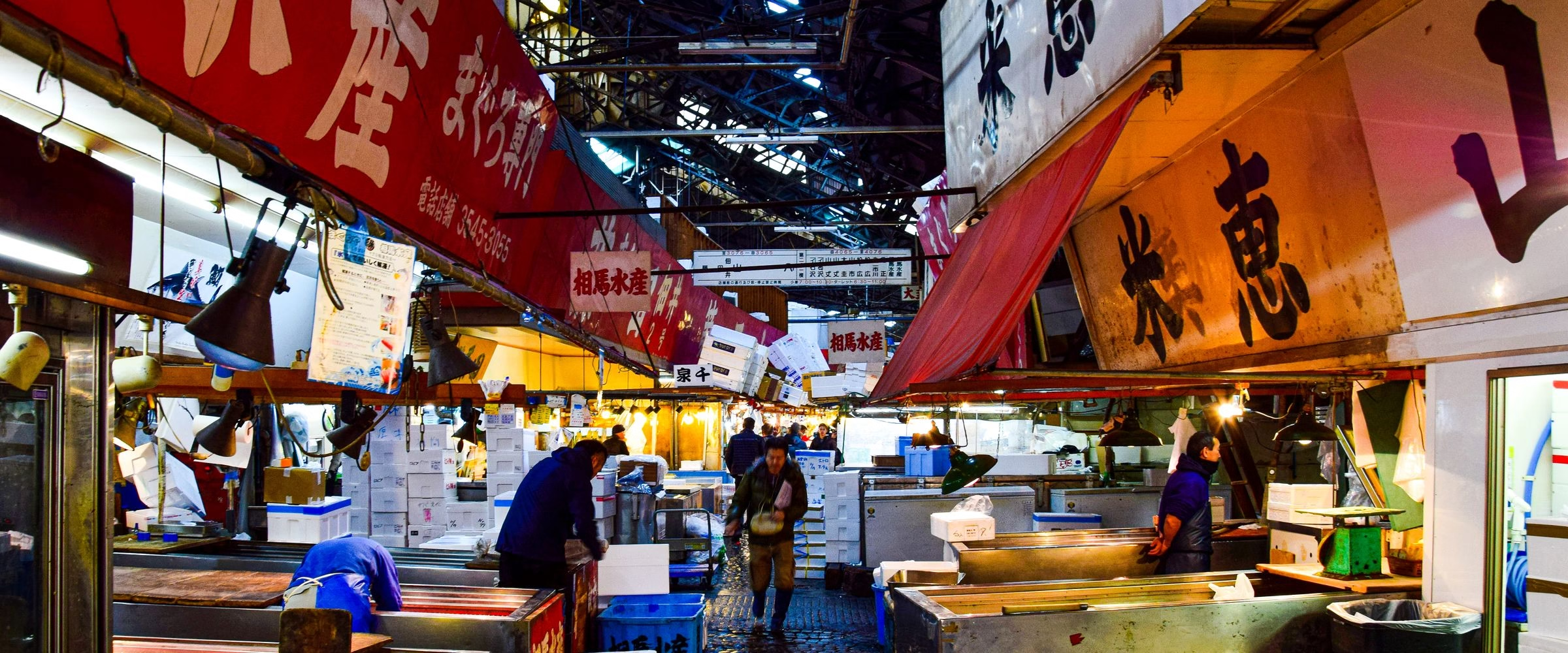
Tsukiji Outer Market & Toyosu
Why Go?
The outer market at Tsukiji is still very much alive — stall after stall of tamagoyaki, fresh oysters, and the finest knife shops in Japan. For the full tuna auction experience, Toyosu Market runs pre-dawn visitor slots that require advance booking months out.
Best For
Food-obsessed travellers, chefs, and anyone whose idea of sightseeing involves eating.
Don’t Miss
A breakfast sushi set at one of the standing counters in Tsukiji Outer Market before 9am.
Food & Drink
Tokyo has more Michelin stars than any city on earth — but its best meals are often served standing up, for under ¥1,000, at a counter with six seats. Here’s what you need to eat.
Know the Neighbourhoods
Shinjuku
High-voltage — the city’s commercial and nightlife engine
Best for: First-timers, night owls, shopaholics
- Kabukicho entertainment district — neon-drenched and very alive after dark.
- Golden Gai — 200 tiny bars in six narrow alleys.
- Shinjuku Gyoen — one of Japan’s best gardens, essential in cherry blossom season.
Asakusa
Old Tokyo — the city as it was before the skyscrapers
Best for: Culture seekers, photographers, families
- Senso-ji temple — Tokyo’s oldest, best visited at dawn.
- Nakamise-dori shopping street for traditional crafts and snacks.
- Sumida River cruises with views of Tokyo Skytree.
Shimokitazawa
Bohemian and local — vintage shops, live music, cafe culture
Best for: Indie travellers, music lovers, those avoiding tourist trails
- Dozens of vintage clothing stores — the best in Tokyo.
- Live houses (small venues) with nightly shows from ¥1,500.
- Excellent coffee and weekend curry lunches at neighbourhood joints.
Yanaka
Slow and traditional — a rare intact pre-war neighbourhood
Best for: Slow travellers, architecture fans, those wanting quiet
- Yanaka Ginza — a traditional shotengai (shopping street) frozen in the 1950s.
- Temple-lined cemetery walks, unexpectedly beautiful in autumn.
- Independent craft studios and artisan workshops throughout.
Getting There & Around
Getting There
Getting Around
Respect the Culture, Fit Right In
Dining
- Tipping is not practised — it can cause offence or embarrassment. Never tip.
- Slurping ramen and noodles is perfectly acceptable and signals appreciation.
- Pour drinks for others before filling your own glass.
- Never stick chopsticks upright in rice — it resembles funeral offerings.
- Say ‘itadakimasu’ before eating and ‘gochisosama’ after — it’s always appreciated.
Public Transport
- Phone calls on trains and buses are considered rude — keep your phone on silent.
- Queue in the marked lines on station platforms; let passengers off before boarding.
- Give up priority seats near the doors for elderly, pregnant, and disabled passengers.
- Eating on local trains is frowned upon — save it for bullet trains (Shinkansen).
- Speak quietly; the ambient noise level on Tokyo trains is remarkably low.
Temples & Shrines
- Remove shoes when entering a home, many traditional restaurants, and some shrines.
- At Shinto shrines, bow twice, clap twice, make a silent wish, then bow once more.
- Walk to the side of the main path (sando) — the centre is reserved for deities.
- Look for ‘no photography’ signs at sacred areas and respect them without exception.
- Tattoos may restrict access to some onsen (hot spring baths) — check in advance.
Everyday Etiquette
- Use both hands when giving or receiving business cards, gifts, or money — it shows respect.
- Avoid eating and drinking while walking; find a bench or eat where you bought the food.
- A slight bow replaces the handshake — deeper bows for more formal situations.
- Rubbish bins are rare in Tokyo; carry a small bag for your waste until you find one.
- Queuing is taken seriously everywhere — cutting in is considered extremely rude.
Travel Tips
Frequently Asked Questions
When is the best time to visit Tokyo?
Do Canadians need a visa to visit Tokyo?
What currency is used in Tokyo?
What is the easiest way to get around Tokyo?
What cultural customs should visitors know before going to Tokyo?
Ready to plan your Tokyo trip?
Tokyo rewards those who go with a plan — the right neighbourhoods, the right season, the right restaurant bookings made months ahead. At Fly Away Travel Co., we build Tokyo itineraries that go beyond the obvious. Contact us today and let’s start planning.