

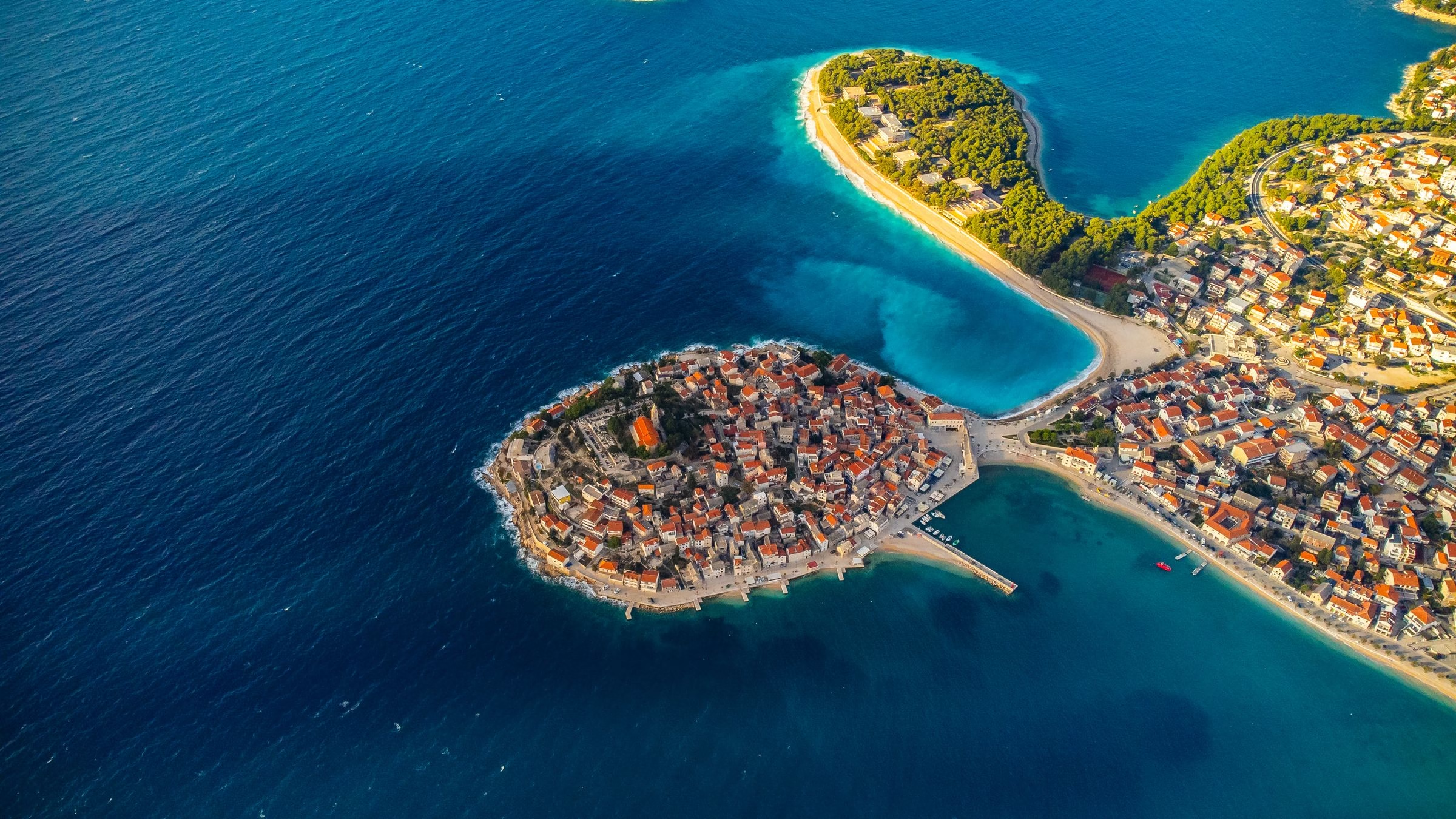
Croatia’s Adriatic coast runs from Istria in the north down through Split and the islands to Dubrovnik in the south — a stretch of coastline long enough that most trips focus on one section rather than the whole country. Add in Plitvice Lakes’ waterfalls inland and the capital Zagreb further north, and Croatia covers more ground than its size on a map suggests. This guide covers the country-level basics — facts, regions, logistics — and points you to our in-depth guide for Dubrovnik and a full 7-day itinerary for the central and southern coast.
Croatia at a Glance


How to Structure Your Trip
Most first-time trips anchor on the central and southern coast — Split as a starting point, a ferry out to one or two islands, and Dubrovnik to close the loop, with Plitvice Lakes as an inland detour along the way. Istria in the north and Zagreb are genuinely worth a separate trip rather than a rushed add-on; the distances along the coast are longer than they look on a map, and coastal roads slow down significantly in peak summer traffic.
Regions & Cities
Each of these covers a different side of Croatia — where you go should depend on whether you’re after Adriatic beaches and islands, inland waterfalls, or Zagreb’s very different, continental character.

Dubrovnik
The walled Old Town made famous well beyond Croatia — City Walls, Stradun, and short ferries out to Lokrum Island and the Elafiti Islands.
Read the full Dubrovnik Guide →
Split
A living Roman palace at the heart of the Old Town, and the main ferry hub for reaching the central Dalmatian islands.

Hvar Island
The Dalmatian coast’s most fashionable island — Venetian architecture, a hilltop fortress, lavender fields inland, and a genuinely lively evening scene.

Plitvice Lakes National Park
A UNESCO-listed series of terraced turquoise lakes connected by waterfalls, reachable as a day trip from Split or Zagreb.
Istria
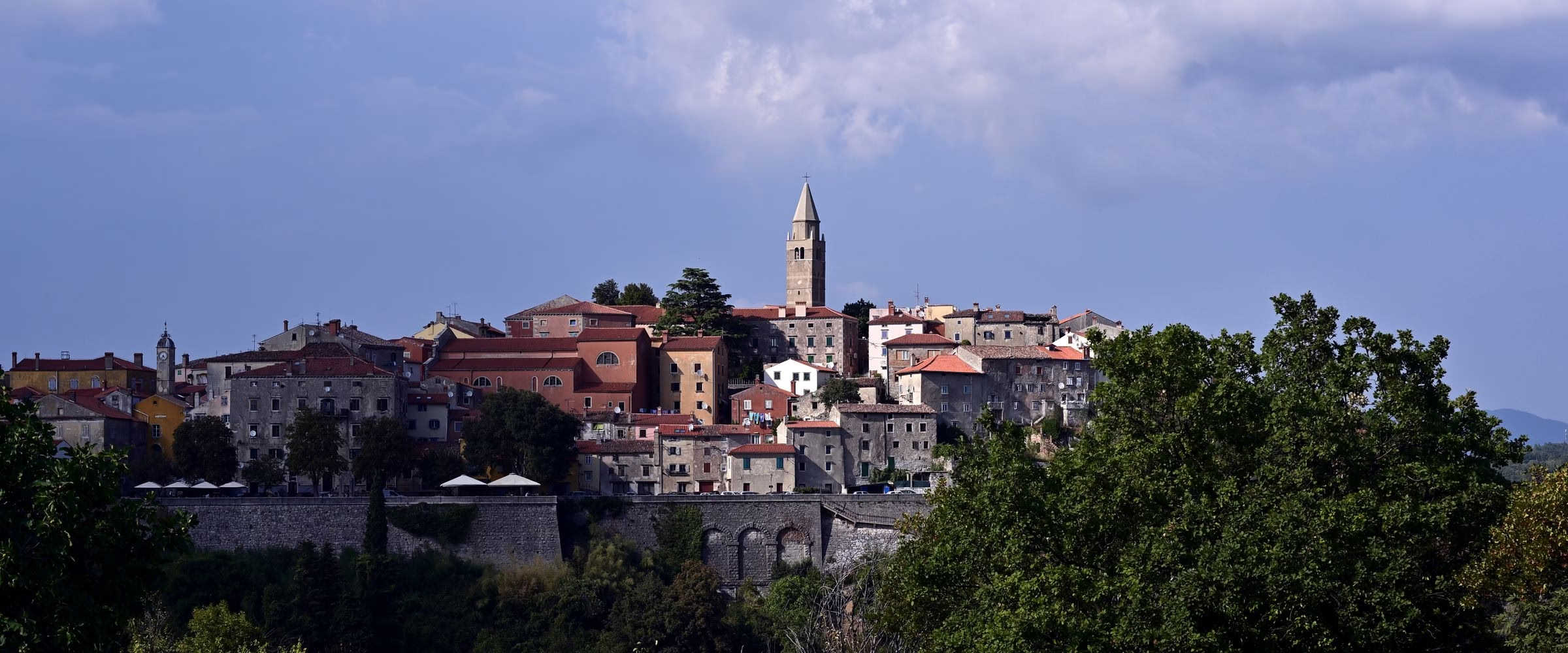
Croatia’s Italian-influenced northern peninsula — hilltop towns, truffle country, and a quieter coastline than the south.

Zagreb
The continental capital, with a genuinely different character from the coast — Austro-Hungarian architecture, a strong café culture, and none of the summer island crowds.
Getting Around the Country
Domestic Ferries: Connect the mainland to the major islands — Split is the main hub, with routes to Hvar, Brač, and Korčula, among others.
Rental Car: Useful for reaching Plitvice Lakes, Istria, and inland detours — coastal roads are scenic but can be slow in peak summer traffic.
Coastal Driving: The Adriatic Highway (Jadranska magistrala) runs the length of the coast and is one of Europe’s more dramatic drives, but allow more time than the distance suggests.
Getting to Dubrovnik: Direct ferry connections from Dubrovnik to the central coast aren’t always available — check current schedules, as routing sometimes requires a longer transfer.
When to Go, By Region
Dubrovnik & the South: June and September for warm Adriatic swimming without July/August’s peak crowds and cruise-ship traffic.
Split & the Central Coast: May through September for reliable swimming weather; late spring and early fall are noticeably less crowded.
Plitvice Lakes: Worth visiting nearly any time — spring brings the fullest waterfalls, while fall’s colours draw fewer crowds than summer.
Zagreb & Istria: Spring and fall suit Zagreb’s continental climate best; Istria pairs well with a coastal Croatia trip from May through September.
Food & Culture at the National Level
Croatian food and daily rhythm shift noticeably between the Adriatic coast and the continental interior — a few national throughlines are worth knowing before diving into any single destination.
Coastal Seafood: Black risotto, grilled fish, and Dalmatian pršut and cheese dominate coastal menus — order peka (slow-cooked meat or seafood under a bell-shaped lid) a few hours ahead at most restaurants.
Euro Since 2023: Croatia adopted the Euro in January 2023, replacing the kuna — a straightforward currency situation for visitors coming from elsewhere in the Eurozone.
Cover Charges: Many coastal restaurants add a small per-person cover charge for bread and table service — a standard regional practice, not a scam.
Zagreb’s Café Culture: Lingering over coffee is a genuine daily ritual in Zagreb, closer to Vienna’s café culture than the coast’s beach-focused pace.
Frequently Asked Questions
Do Canadians need a visa to visit Croatia?
What is the best time of year to visit Croatia?
Can you visit Dubrovnik and Split in one trip?
Planning a trip to Croatia?
At Fly Away Travel Co., we help you build the right route along Croatia’s coast for your trip. Contact us to start planning.