

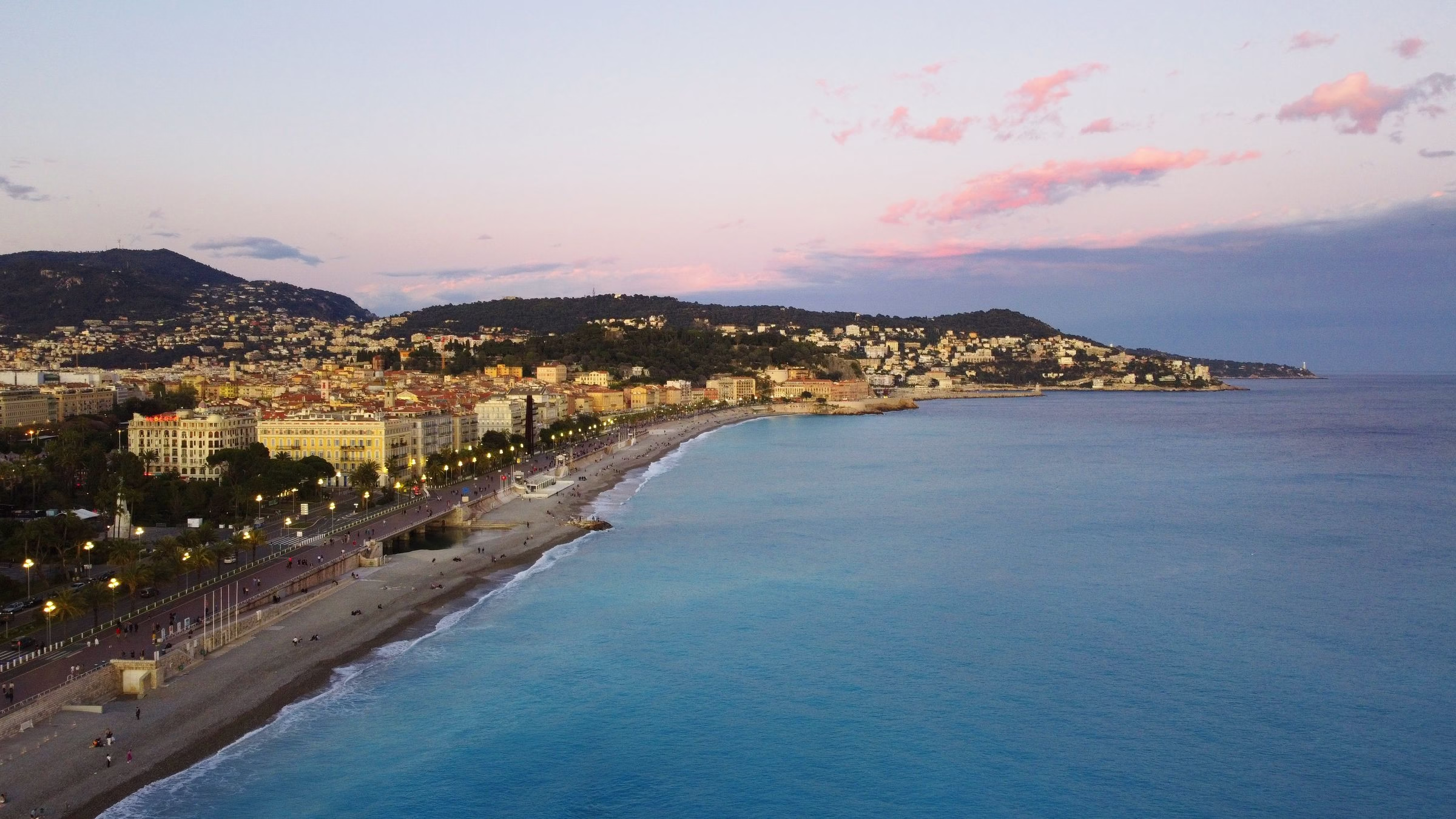
Pebble beaches are a Mediterranean signature, not a compromise — the smooth stones mean less sand in your bag, clearer water since nothing gets stirred up, and often far fewer crowds than the region’s sandier stretches. Here are ten worth seeking out, with a note on what to bring (water shoes help almost everywhere on this list).
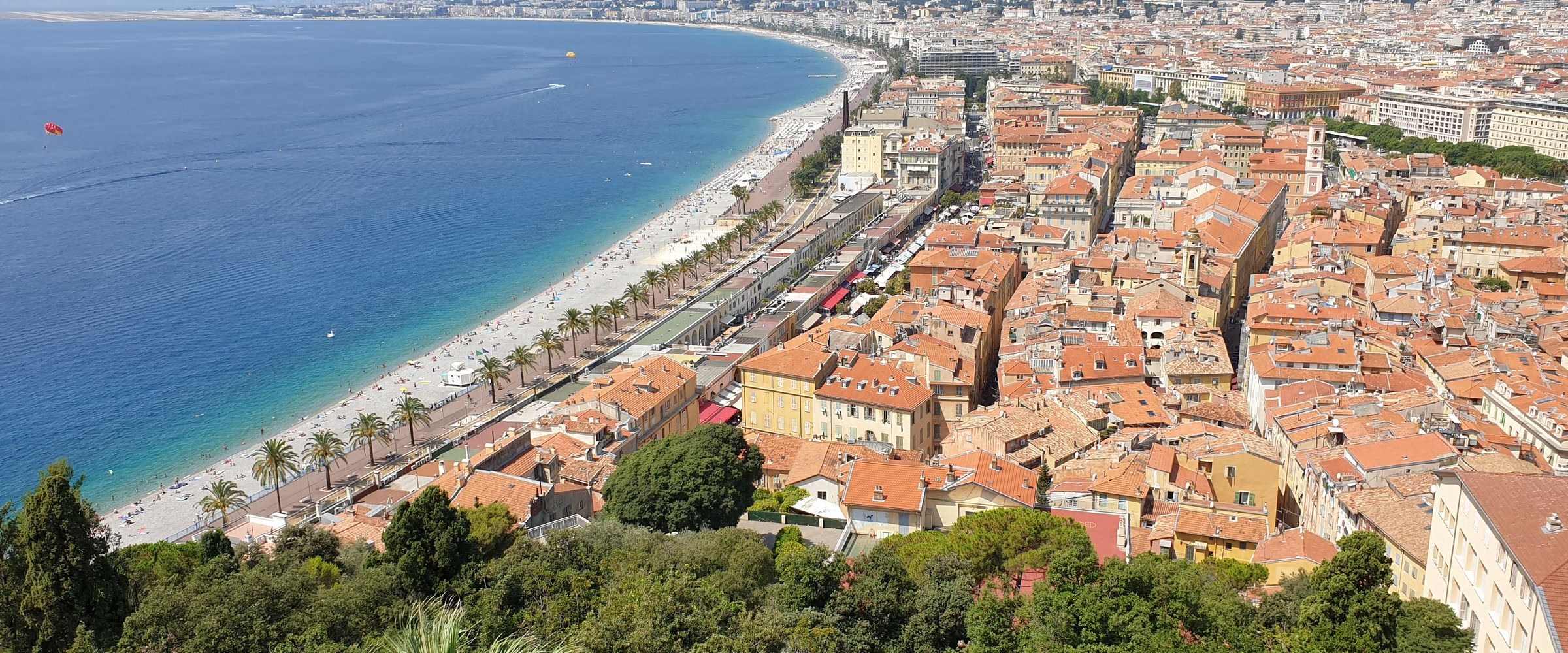
Promenade des Anglais, Nice (France)
Why Go?
Nice’s iconic waterfront is lined with smooth grey pebbles and framed by the Baie des Anges, and its central location means you can walk straight from a café on the Old Town streets into the water.
Best For
City-break travellers who want a beach day without leaving town.
Don’t Miss
An early swim before the promenade fills up, with the Castle Hill viewpoint as a backdrop.
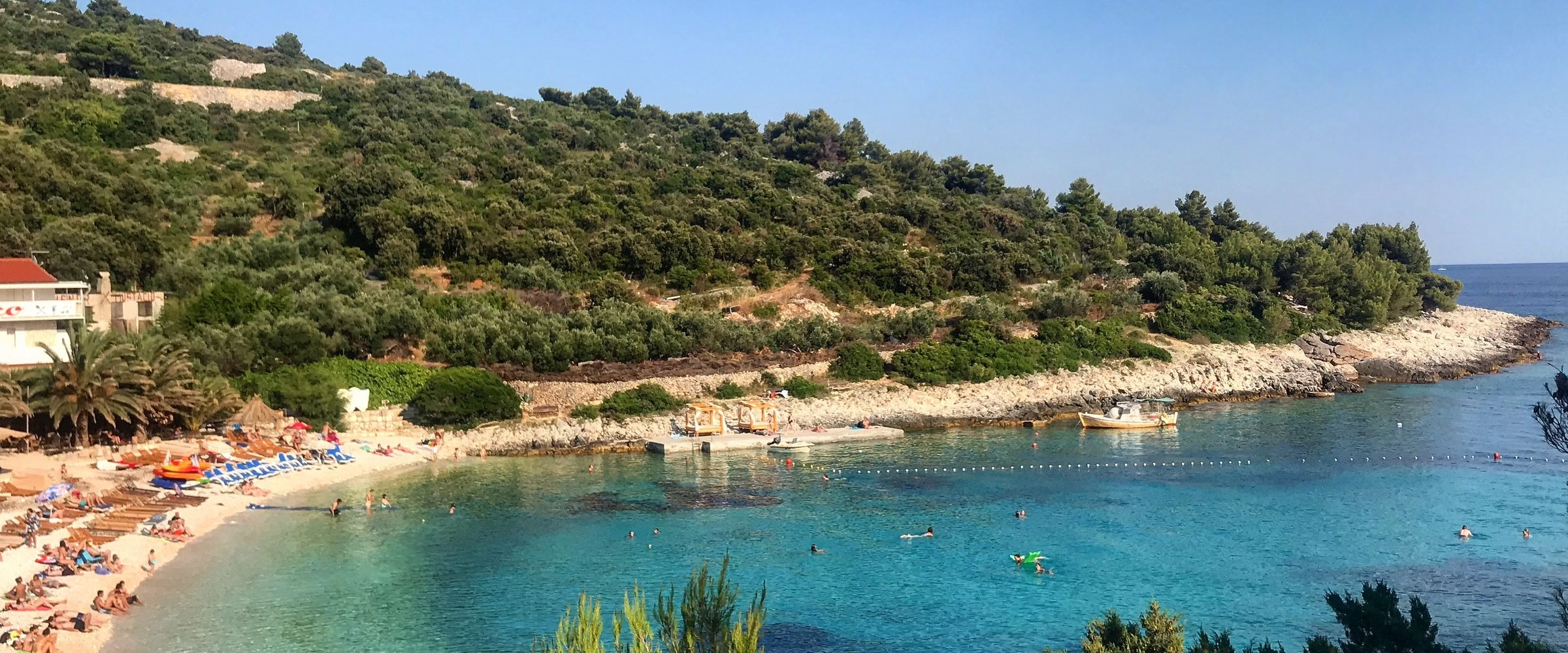
Stiniva Cove, Vis Island (Croatia)
Why Go?
Reachable only by boat or a steep footpath through a narrow cliff gap, Stiniva is one of the most secluded beaches in the Adriatic — a small pebble cove wrapped almost entirely by rock walls.
Best For
Adventurous travellers willing to hike or boat in for a near-private cove.
Don’t Miss
Arriving by boat rather than the trail — the view of the cove’s narrow rock entrance from the water is the whole reason it’s famous.

Myrtos Beach, Kefalonia (Greece)
Why Go?
Myrtos is framed by dramatic white limestone cliffs and some of the most vividly turquoise water in the Ionian Sea, with a mix of fine white pebbles that give the water its striking colour.
Best For
Photographers and anyone chasing the classic Greek-island postcard shot.
Don’t Miss
The clifftop viewpoint on the approach road — arguably a better photo than the beach itself.
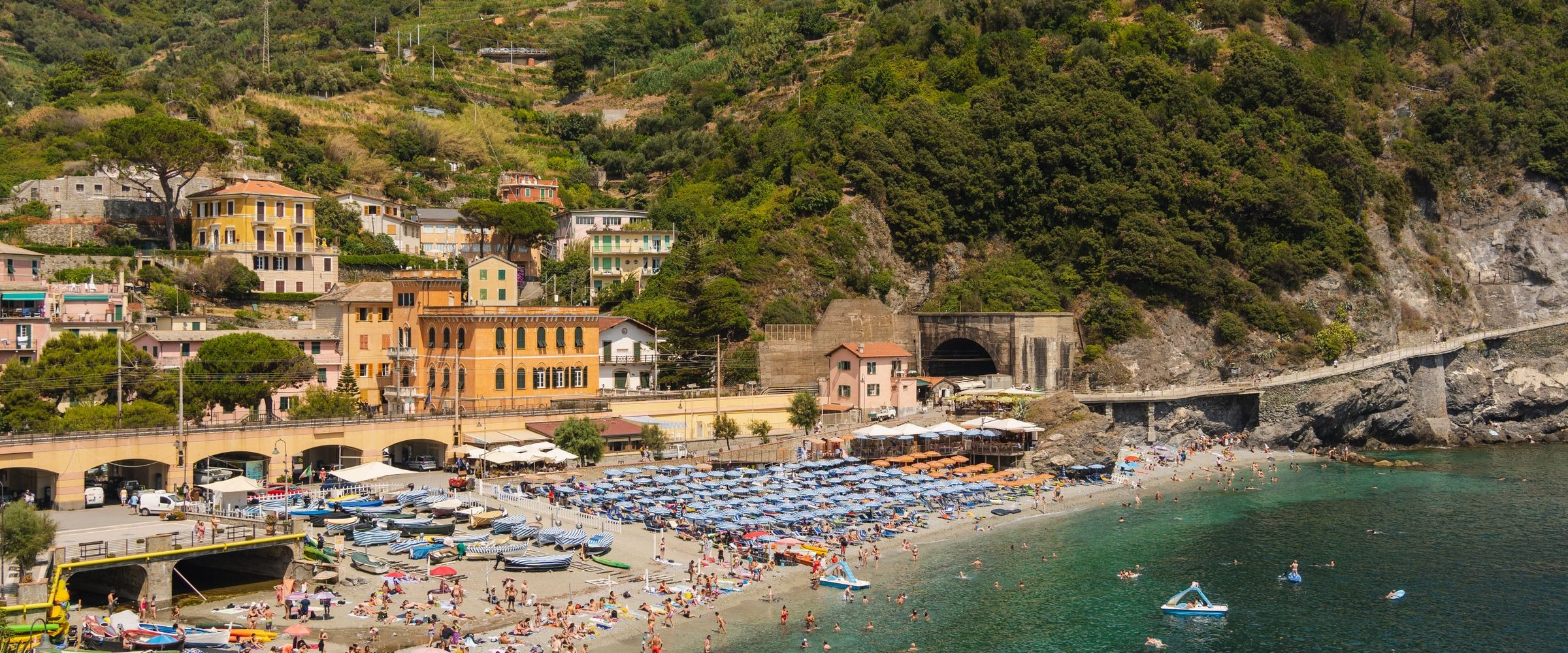
Monterosso al Mare, Cinque Terre (Italy)
Why Go?
The largest of the five Cinque Terre villages, Monterosso has the region’s best real beach — a mix of sand and pebble backed by pastel buildings climbing the hillside behind it.
Best For
Travellers combining hiking the Cinque Terre trail with an actual beach day.
Don’t Miss
Renting a lounge chair at one of the beach clubs for a proper Ligurian coast afternoon.
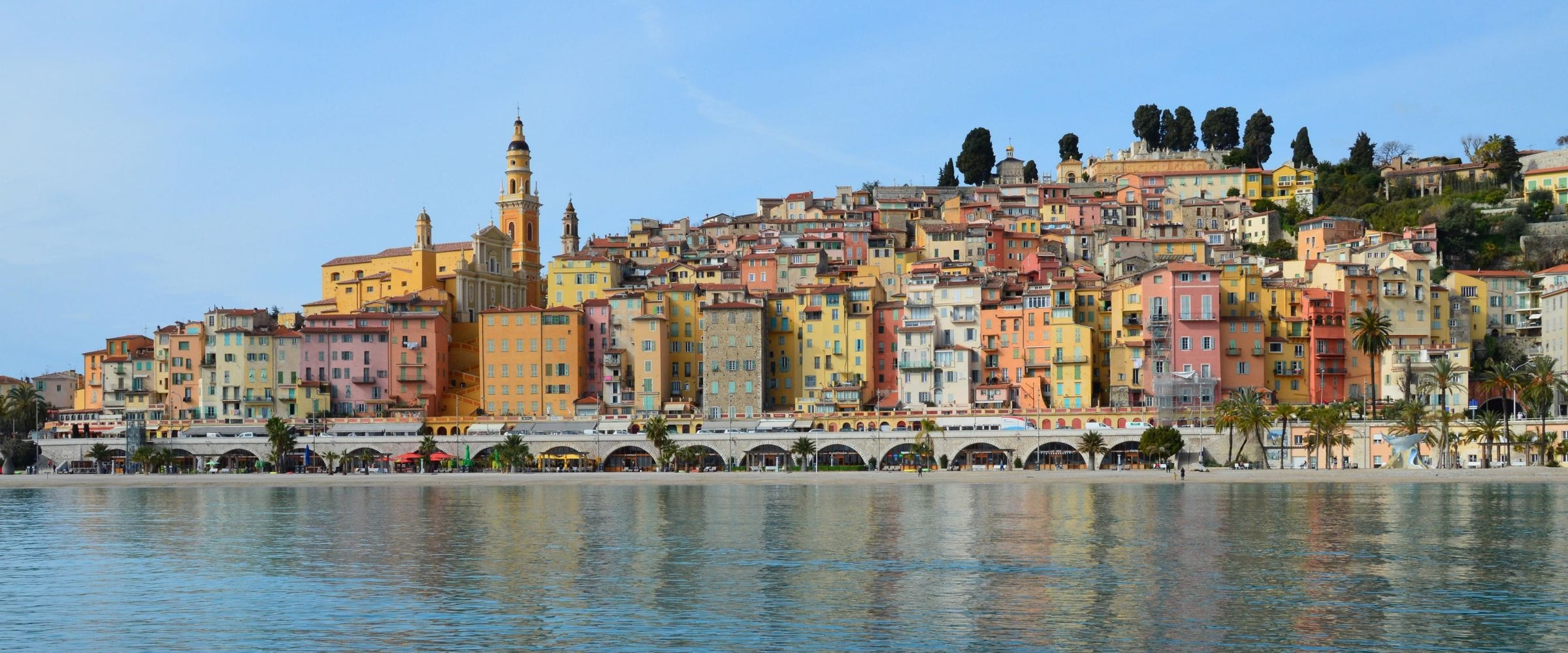
Menton, French Riviera (France)
Why Go?
Menton sits right at the Italian border and stays noticeably quieter than Nice or Monaco, with pebble coves tucked beneath a pastel old town and lemon groves in the hills above.
Best For
Travellers wanting Riviera scenery without Riviera crowds or prices.
Don’t Miss
Plage des Sablettes, the town’s main beach, right beneath the old town’s colourful waterfront facades.

Positano, Amalfi Coast (Italy)
Why Go?
Spiaggia Grande’s grey pebbles sit at the foot of Positano’s famous cliffside houses, and while it’s not a hidden gem, it remains one of the most striking places to swim in Italy.
Best For
Travellers who want the Amalfi Coast’s signature view from the water looking back.
Don’t Miss
A boat trip along the coast at sunset for a view of the town’s terraced houses lit up gold.

Banje Beach, Dubrovnik (Croatia)
Why Go?
Banje sits right beneath Dubrovnik’s Old Town walls, with a clear line of sight to the fortifications from the water — a rare combination of history and beach day in one spot.
Best For
Travellers splitting time between Old Town sightseeing and a swim.
Don’t Miss
Swimming with the Old Town walls and Lokrum Island both in view — one of the most photographed sightlines in Croatia.
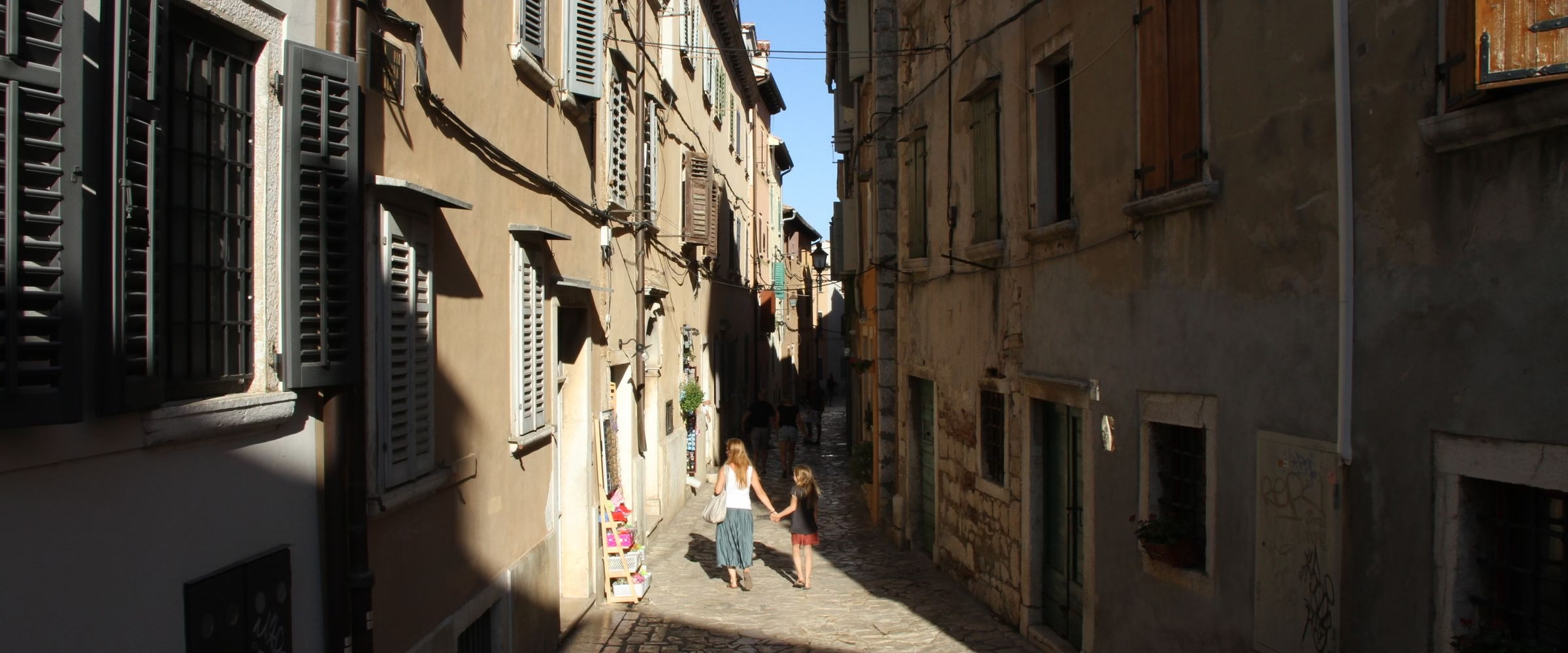
Rovinj Old Town Beaches (Croatia)
Why Go?
Rovinj’s coastline just south of the Old Town is a string of small pebble coves shaded by pine trees, with the town’s bell tower visible across the water from most of them.
Best For
Travellers who want to walk between several small, quieter coves rather than settle at one big beach.
Don’t Miss
The Zlatni Rt (Golden Cape) forest park, where several of the best coves are tucked among Mediterranean pines.

Bačvice Beach, Split (Croatia)
Why Go?
Bačvice is mostly fine sand and shallow water near the shore, but the surrounding coastline toward the Marjan peninsula turns to pebble coves within a short walk — and it’s the liveliest beach scene in Split, home to the local paddleball game picigin.
Best For
Travellers who want a social, local beach day within walking distance of Split’s Old Town.
Don’t Miss
Watching (or joining) a game of picigin — Split’s homegrown beach sport, played barefoot in shallow water.
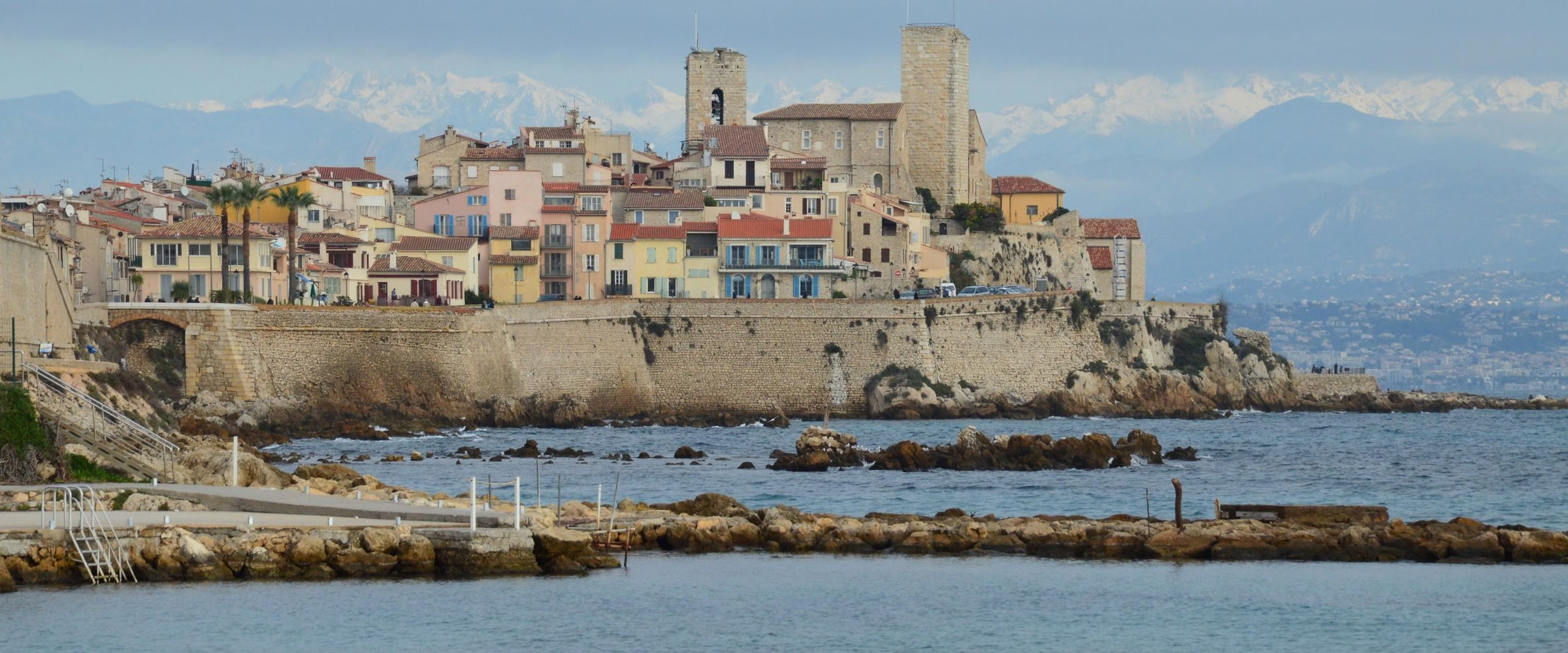
Antibes and Cap d’Antibes (France)
Why Go?
Antibes’ pebble coves along the Cap d’Antibes peninsula are quieter than Nice and Cannes, with pine-shaded paths connecting several small beaches along the coastal walking trail (Sentier du Littoral).
Best For
Travellers who want to combine a coastal walk with several beach stops in one afternoon.
Don’t Miss
Walking a section of the Sentier du Littoral, which hugs the coastline past several hidden coves most visitors miss.
Final Thoughts
Pebble beaches reward a bit of extra planning — water shoes make a real difference, and the clearer water is worth the trade-off from soft sand. From Nice’s city-centre convenience to Stiniva’s boat-only seclusion, this list spans the full range of what the Mediterranean coastline offers. At Fly Away Travel Co., we help build multi-stop Mediterranean itineraries around exactly this kind of coastal detail. Contact us to start planning.