


Seattle sits between water and mountains in a way few American cities can match — Puget Sound on one side, the Cascades and Olympics visible on a clear day, and a coffee-and-rain culture that’s shaped the city’s identity for decades. It’s a genuinely walkable, neighbourhood-driven city built around Pike Place Market, a thriving food and craft beverage scene, and an outdoor culture that kicks into gear the moment the summer sun actually shows up.
City
Seattle, Washington, USA
Currency
US Dollar (USD)
Language
English
Timezone
PST — UTC-8 (PDT UTC-7 in summer)
Best Season
Jun–Sep
Visa
No visa required for Canadian citizens; valid passport required
Seattle for Every Travel Style
The Food & Coffee Seattle
Seattle’s food scene runs on fresh Pacific Northwest seafood and a coffee culture so deep it’s practically a civic identity.
- Pike Place Market’s fresh seafood counters and the original Starbucks storefront nearby.
- Taylor Shellfish Oyster Bar, with locations across several neighbourhoods.
- Local Tide in Fremont for a laid-back, high-quality seafood spot away from the tourist crush.
- A coffee crawl through Capitol Hill, home to some of the city’s best independent roasters.
- Salmon in any form — grilled, smoked, or on a bagel — it’s genuinely central to the city’s food identity.
The Culture & Music Seattle
Seattle’s cultural footprint runs from grunge music history to cutting-edge glass art, with a genuinely strong independent arts scene.
- The Museum of Pop Culture (MoPOP) for Seattle’s deep musical history, from Hendrix to grunge.
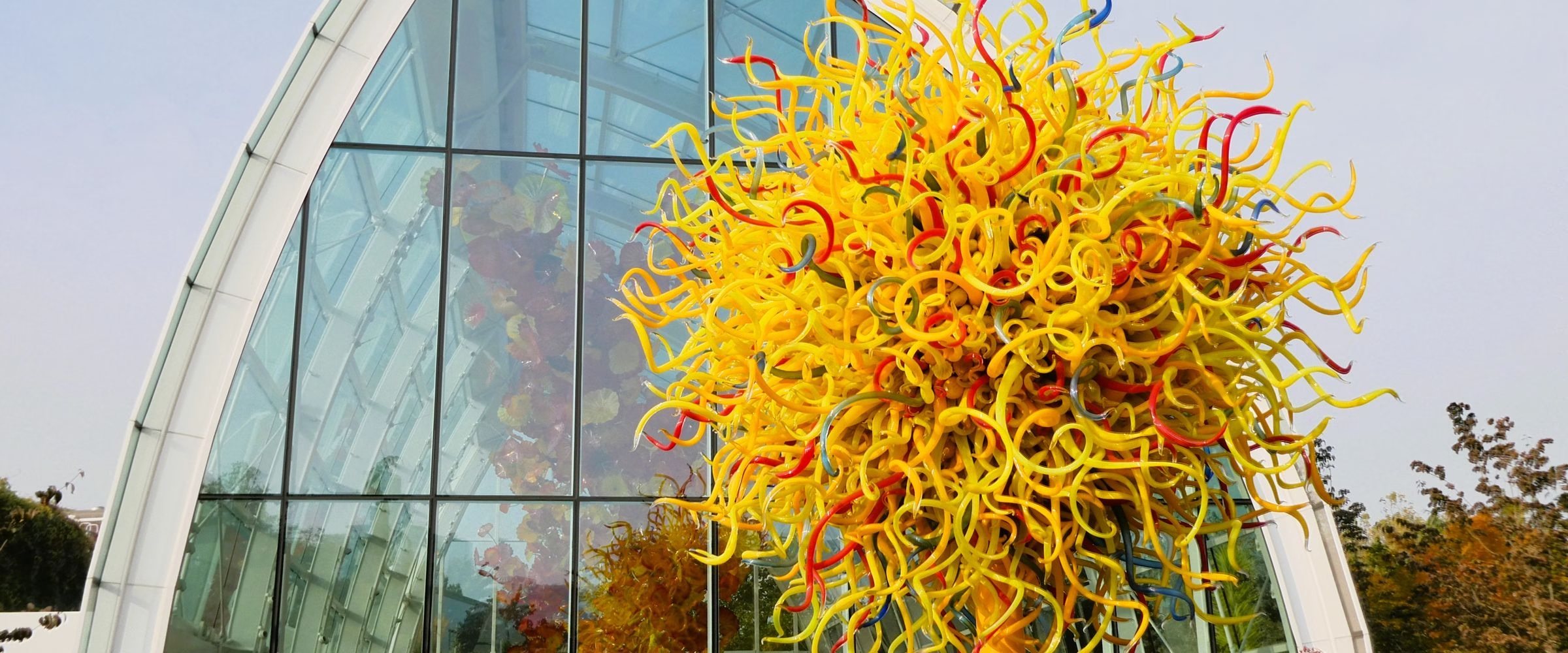
- Chihuly Garden and Glass, a stunning permanent exhibit of Dale Chihuly’s glass art near the Space Needle.
- Capitol Hill’s live music venues and independent bookshops.
- Pioneer Square’s historic architecture and gallery scene.
- The Seattle Art Museum’s strong Northwest Coast Indigenous art collection.
The Neighbourhood Explorer’s Seattle
Seattle rewards wandering beyond downtown — its neighbourhoods each have a genuinely distinct identity worth a slow afternoon.
- Fremont’s quirky public art and Sunday market, plus a strong craft brewery scene.
- Ballard’s Nordic heritage, fishing-town character, and excellent seafood restaurants.
- Queen Anne for skyline views and a quieter, residential pace close to Seattle Center.
- The Fremont Troll, a giant sculpture under the Aurora Bridge and one of the city’s most photographed oddities.
- A ferry ride to Bainbridge Island for skyline views on the way out and a small-town escape on arrival.
When to Go
Spring
Mar – May
- Moderate temperatures (10-18°C) with emerging cherry blossoms and tulips.
- Rain is still fairly common but tapering off from winter’s peak.
- Hotel rates run 25-35% below summer peak, with substantially fewer tourists.
- A good value season for travellers willing to pack a rain layer.
Summer
Jun – Sep
- Seattle’s best-kept secret — reliably sunny with temperatures around 18-24°C and minimal rain.
- Long daylight hours extend well into the evening, ideal for outdoor exploring.
- Peak tourist season, with hotel rates and crowds at their highest.
- Book popular attractions and restaurants ahead, especially in July and August.
Autumn
Oct
- Comfortable temperatures around 12-18°C with the first signs of fall colour.
- Rain gradually returns as the month progresses, though early October often stays dry.
- Hotel rates drop 30-40% below summer peak, with noticeably thinner crowds.
Winter
Nov – Feb
- Seattle’s famously grey, rainy season — frequent drizzle and overcast skies dominate.
- Mild temperatures (rarely below freezing) but persistently damp conditions.
- Lowest hotel rates and thinnest crowds of the year for travellers who don’t mind rain.
- Indoor attractions like Pike Place Market and museums remain fully enjoyable regardless of weather.
Top Experiences

Pike Place Market
Why Go?
Operating continuously since 1907, this nine-acre market is Seattle’s beating heart — fresh seafood, produce, flowers, and over 200 vendors, all within view of Puget Sound.
Best For
Everyone — this is Seattle’s essential, unmissable stop regardless of interest or trip length.
Don’t Miss
Arriving early to beat the crowds, and exploring beyond the main arcade into the market’s lower levels and side streets.
Space Needle & Chihuly Garden and Glass
Why Go?
Seattle’s iconic 1962 World’s Fair tower offers 360-degree views from its rotating glass floor observation deck, paired next door with one of Dale Chihuly’s most spectacular permanent glass art installations.
Best For
First-timers wanting the classic Seattle skyline view, and art lovers who’ll appreciate Chihuly’s work regardless.
Don’t Miss
Combo tickets for both attractions — they’re immediately adjacent and complement each other well.
Fremont & Ballard Neighbourhoods
Why Go?
These two neighbourhoods reveal a Seattle beyond the postcard landmarks — quirky public art, craft breweries, and a genuinely local food and shopping scene.
Best For
Repeat visitors and anyone wanting a slower, more neighbourhood-focused day.
Don’t Miss
The Fremont Troll under the Aurora Bridge, and Ballard’s Sunday farmers market.
Food & Drink
Seattle’s food identity is built on Pacific Northwest seafood, a genuinely serious coffee culture, and a growing reputation for inventive, ingredient-driven restaurants across its neighbourhoods.
Know the Neighbourhoods
Downtown & Pike Place
The city’s core, tourist-friendly and walkable
Best for: First-time visitors, the market, waterfront access
- Pike Place Market and the original Starbucks storefront.
- Waterfront access with views across Elliott Bay.
- Central location for reaching most other attractions.
Capitol Hill
Nightlife, independent shops, coffee culture
Best for: Nightlife, dining diversity, independent coffee
- The city’s densest concentration of bars, restaurants, and live music venues.
- A strong LGBTQ+ community and welcoming, diverse atmosphere.
- Some of the city’s best independent coffee roasters.
Fremont & Ballard
Quirky, local, craft-beverage-focused
Best for: Craft breweries, public art, local shopping
- The Fremont Troll and the neighbourhood’s playful public art scene.
- Ballard’s Nordic heritage and strong seafood restaurant scene.
- A genuinely local feel distinct from downtown’s tourist density.
Queen Anne
Residential, quiet, skyline views
Best for: A quieter base near Seattle Center
- Elevated views over downtown and Puget Sound from Kerry Park.
- Close walking distance to Seattle Center, the Space Needle, and MoPOP.
- A calmer, more residential alternative to staying downtown.
Getting There & Around
Getting There
Getting Around
Respect the Culture, Fit Right In
Weather & Preparation
- Locals rarely use umbrellas — a good rain jacket is the more practical, less conspicuous choice.
- Layer clothing regardless of season; Seattle’s weather can shift throughout the day.
- Summer is genuinely sunny and dry — don’t assume rain gear is needed year-round.
- Sunny days are treated as a local event — expect parks and waterfronts to fill up quickly.
At Restaurants & Coffee Shops
- Tipping 18-20% is standard at sit-down restaurants, in line with the rest of the US.
- Coffee culture is taken seriously — expect knowledgeable baristas and a genuine interest in sourcing and preparation.
- Many restaurants are moving toward digital menus and QR-code ordering; don’t be surprised by this.
- Reservations are recommended at popular Capitol Hill and Ballard restaurants on weekends.
General Etiquette
- Seattleites are famously polite but reserved — don’t mistake quietness for unfriendliness.
- Recycling and composting are taken seriously; look for labeled bins in public spaces.
- Jaywalking is technically illegal and can draw fines, though enforcement is inconsistent.
- A car isn’t strictly necessary if staying downtown or on Capitol Hill, but helps for outlying neighbourhoods.
Travel Tips
Frequently Asked Questions
When is the best time to visit Seattle?
Do Canadians need a visa to visit Seattle?
What currency is used in Seattle?
What is the easiest way to get around Seattle?
What cultural customs should visitors know before going to Seattle?
Ready to plan your Seattle trip?
Seattle rewards travellers who explore beyond downtown — the right neighbourhoods, food, and timing make all the difference. At Fly Away Travel Co., we build Seattle itineraries around what actually makes the city worth visiting. Contact us today and let’s start planning.